Smile Center Dentistry's Teeth Cleaning And Checkup appointments track changes from visit to visit, so a subtle shift in gum health or a new spot on an X-ray gets caught early, not months later.

Every Smile Center Dentistry office offering Teeth Cleaning And Checkup is held to the same four standards, verified before the office ever joins our network.

Gum-pocket depth is measured and recorded at every visit, not just when something already looks wrong.
We'll explain why an X-ray is or isn't recommended at a given visit rather than defaulting to yes.
Catching something unusual early is one of the most important things a routine visit can do.
Your chart tracks pocket depths, staining, and wear patterns over time, not just a single snapshot.
Here's the range of Teeth Cleaning And Checkup our Roosevelt team handles most, described the way we'd explain it chairside rather than in marketing language.
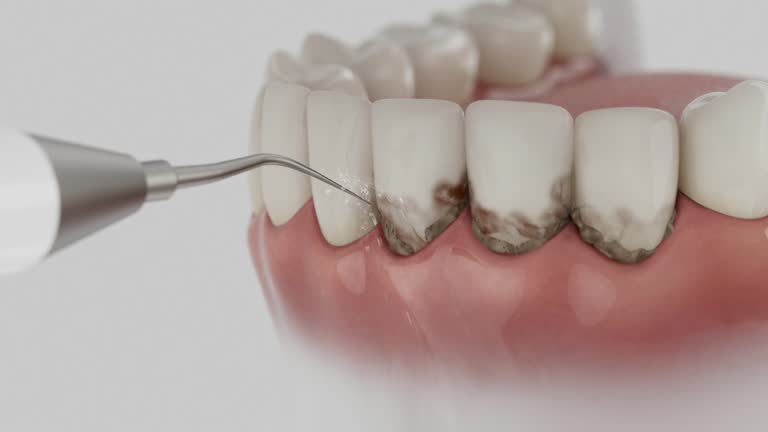
Polishing afterward smooths tooth surfaces and removes surface staining from coffee, tea, or wine. Most patients need this every six months, though some benefit from more frequent visits.
Gum-pocket depths are measured at multiple points around each tooth and recorded to track changes over time. Deeper pockets may indicate the need for a more thorough deep cleaning.
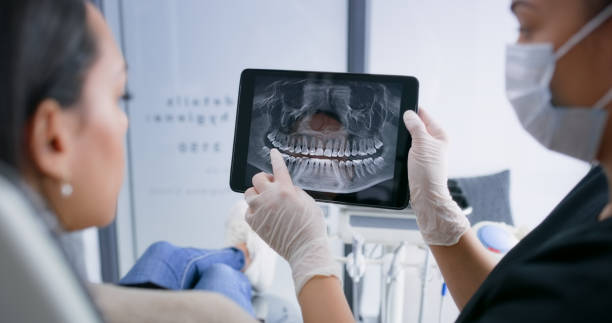
Frequency is based on your individual cavity risk, not a blanket annual rule. Digital X-rays use significantly less radiation than older film technology.
A visual and tactile exam of the mouth, tongue, and throat checks for unusual lesions, lumps, or discoloration. Most findings are entirely benign, but we follow up on anything unusual promptly.
This is a quick add-on to your cleaning visit, not a separate appointment. Both children and adults with higher cavity risk benefit from this.
We compare your current exam findings — pocket depths, staining, wear patterns — against previous visits. Your dental chart becomes more useful to you the longer you stay with the same office.
No mystery about what happens between calling us and walking out with the problem addressed.
Existing patients can often book their next cleaning before leaving the current visit.
A hygienist handles scaling, polishing, and gum-pocket measurements.
The dentist reviews findings, takes X-rays if due, and performs an oral cancer screening.
We explain any trend changes so you understand what we're watching and why.

These are unedited, from patients who've actually been through Teeth Cleaning And Checkup treatment with us in the past year.
“They caught a gum-pocket change I wouldn't have noticed myself and adjusted my cleaning schedule before it became a real problem.”
“Appreciated that they didn't just take X-rays automatically every visit — they explained why I didn't need one this time.”
“The oral cancer screening takes two minutes and honestly gives me peace of mind every single visit.”
“They showed me how my numbers had trended over the past two years, which made the recommendation to floss more actually land.”
“Fastest, most thorough cleaning I've had in years, and they explained every step without me having to ask.”

Straight answers to what people actually want to know before committing to Teeth Cleaning And Checkup.
Most patients benefit from a cleaning every six months, though some need more frequent visits based on gum health.
We avoid taking X-rays more often than clinically necessary.
It measures gum-pocket depth around each tooth to catch early gum disease before it progresses.
It takes just a couple of minutes but is one of the most valuable parts of the visit.
Let the hygienist know about sensitivity upfront so the visit can be adjusted accordingly.
Yes, we compare each visit's findings — pocket depths, staining, wear — against your prior records.
We can usually confirm same-week availability for Teeth Cleaning And Checkup before you even finish describing your situation.
We provide Teeth Cleaning And Checkup to Roosevelt families looking for a dental office that actually tracks their health over time, not just a one-off cleaning. New patients are welcome — we'll build your baseline chart at the first visit.